
Fortune · yesterday
Coffee giant Dutch Bros made all of its executives, including the CEO, do a two-week bootcamp where they learned how to pour drinks and run stores
Reported by Fortune. The analysis below is ours.
- Leadership
- Speaking Up
- Culture At Scale
- Frontline
- Courage
- Leadership & Coaching
- Customer Focus
- Teamwork
6
hands-on shop shifts every Dutch Bros leader, the CEO included, completes in a two-week bootcamp before passing a test
Fortune's interview with Dutch Bros CEO Christine Barone; what the training does is the company's own account, and no outcome data is published
The part worth copying is not the drink recipes, it is who gets to correct whom. A chief executive being told by a new crew member that she is doing it wrong is a better test of a culture than any value on a wall. What the piece cannot show is whether it holds on a bad day, or whether the same people would say it to her about a decision.
What does Dutch Bros ask of its leaders?
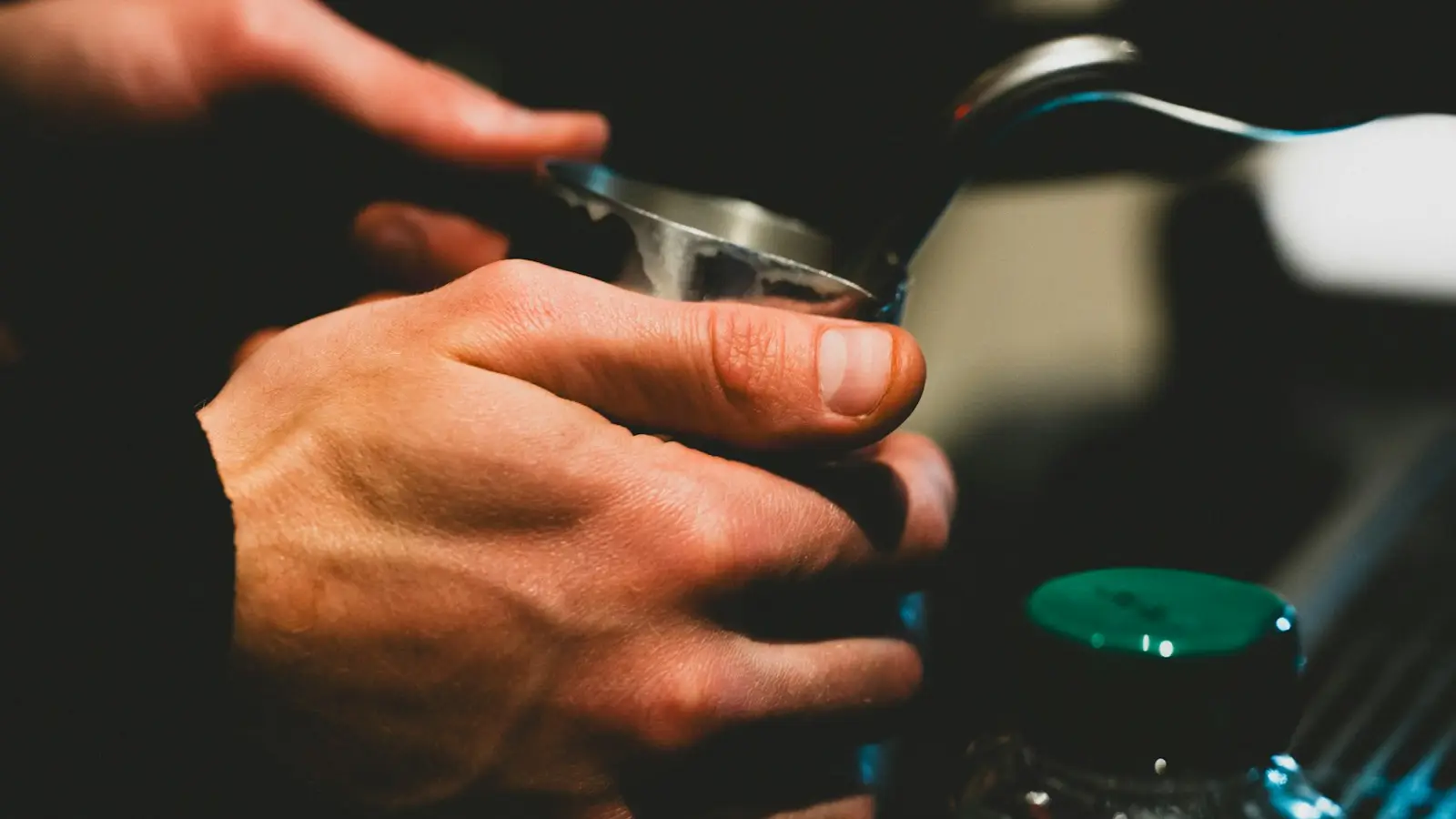
Dutch Bros, the third-largest coffee chain in the United States by sales and number of locations, puts all of its top leaders through a two-week bootcamp to learn to be what it calls a "broista". That includes the chief executive, Christine Barone. Leaders complete six hands-on shifts in a shop, working on hospitality and drink orders and on the values the company names as speed, quality and service. At the end they sit a test, which Fortune calls "Flow", covering drink recipes, company history, shop operations and culture. Those who do not pass retake it.
The programme is part of what the company calls its "growth from within" model. It has been run for years for staff from store owners to senior managers, and Barone said it has been rolled out across headquarters teams as well, including marketing teams, and especially the people who design drinks and programmes.
What did the CEO say she learned?
In the interview, Barone said people knew she was the CEO while she trained, and that teams always pointed out when she did something wrong. She called that one of the signs of a great culture, because it shows people care enough about the customer to tell the person at the top. It is a small story, but it is about the right thing: whether somebody with less status will correct somebody with more, in the moment, and be thanked for it.
She also explained why the programme reaches beyond operations. The aim, she said, is for everyone who designs programmes, marketing or drinks to understand what the shop environment feels like, since those decisions land where the customer is.
Why would a company this size do it?
Scale is the problem the story is about. Fortune reports Dutch Bros at about 37,000 employees across 1,273 locations in 27 states, with record revenue of $1.64 billion in 2025, up 27.9% on the year, and a stated aim of 2,029 stores by 2029. Fortune frames the challenge plainly: it can be hard for a business to preserve a home-grown culture as headcount grows, operations spread and outside investors arrive. One way to hold on to it, the piece suggests, is to have leaders experience the business from the ground floor.
That is a culture claim that can be examined. The further a leadership team sits from the front line, the more its decisions are made on a summary of the work and not the work.
What does the story not show?
Be careful with it. The account of what the bootcamp does is the company's own, from its chief executive. Fortune does not report any measure of turnover, engagement, speaking up or customer experience before and after. And correcting a CEO on how she pours a drink is not the same thing as telling her a decision is wrong. A culture where the first happens freely does not automatically allow the second.
None of that makes it a poor idea. It makes it a practice to copy while keeping the question open, whether the same openness survives when the stakes are higher.
How can a leader test whether their team will tell them they are wrong?
- Ask a new starter to show you how they do something, and watch what happens when you do it differently.
- Notice who corrects whom in meetings, and whether it runs only downhill.
- When someone says "I think that is wrong", note whether the next thing said is a thank you or a defence.
- Spend one shift or one day on the work your decisions land on, without an audience.
Questions managers ask
We cannot put every executive through a bootcamp. What is the cheap version? A day a quarter on the front line, with no tour. Doing the actual work is the point.
Does it matter that the CEO is the one doing it? The story suggests it does, because it is the visible case of status not shielding anyone from correction. A leader who exempts themselves tells the company what the programme is really worth.
How do we make correction safe for junior people? Respond to the first correction well. Everyone is watching what happens to the person who spoke.
What MeaningFuel does about it
- Before it happensWhat the daily ritual works on, every working day
- Courage and Leadership & Coaching every working morning, for the leader and the newest hire on the same two-minute question. Correcting somebody senior is a skill, and it grows with ordinary use well before the decision that needs it.
- After it hasThe module prescribed to the team that has this
- Book One Shared Culture for the company whose offices, shifts or sites have started to feel like different places: ten short daily lessons over two working weeks, two ten-minute debriefs its lead runs, and check-ins after. It is written for the point where growth has outrun a shared way of working.
- What management seesThe reading that makes either one provable
- Whether people are taking part and whether the insights are landing, by team, against the previous period of the same length. A site or team that stops engaging is the early sign that the culture is not travelling with the growth.
The offsite worked. That was never the problem.
Week six is the problem. The person who ran it has moved teams, the thing everyone agreed has quietly stopped happening, and nobody can name the day it stopped.
MeaningFuel keeps it going: one short insight each working day on the values you chose, and a two-week micro-training for any team that falls behind. You see which teams carry them, pooled, with nobody named.
Already have an account? Sign in
Also on the wire
- A CEO gave his employees Fridays off. Three years later, revenue is up about 160%Fortune · yesterday
- Gen Z pushes back on 'performative availability' as only 8% of workers say it won them a promotionFortune · yesterday
- Change debt, not change fatigue, is driving burnout, research showsHR Dive · 5 days ago