


























































 Stress Awareness Week, 2 to 6 November 2026
Health and Safety Executive
6 days ago
HSE urges employers to take action on work-related stress during Stress Awareness Week
The regulator's message is not about wellbeing perks. It is that stress is a health and safety risk, and an employer assesses it the way it assesses any other: find the causes, ask the people affected, act. HSE still says many employers do not realise they must - and its six areas, from demands to change, are all things a manager shapes.
964,000workers in Great Britain with work-related stress, depression or anxiety
HSE's annual estimate from the Labour Force Survey, 2024/25, self-reported: 52% of all work-related ill health and 22.1 million working days lost, an average of 22.9 days per case
What we would do about itBurnout
- Before it happens
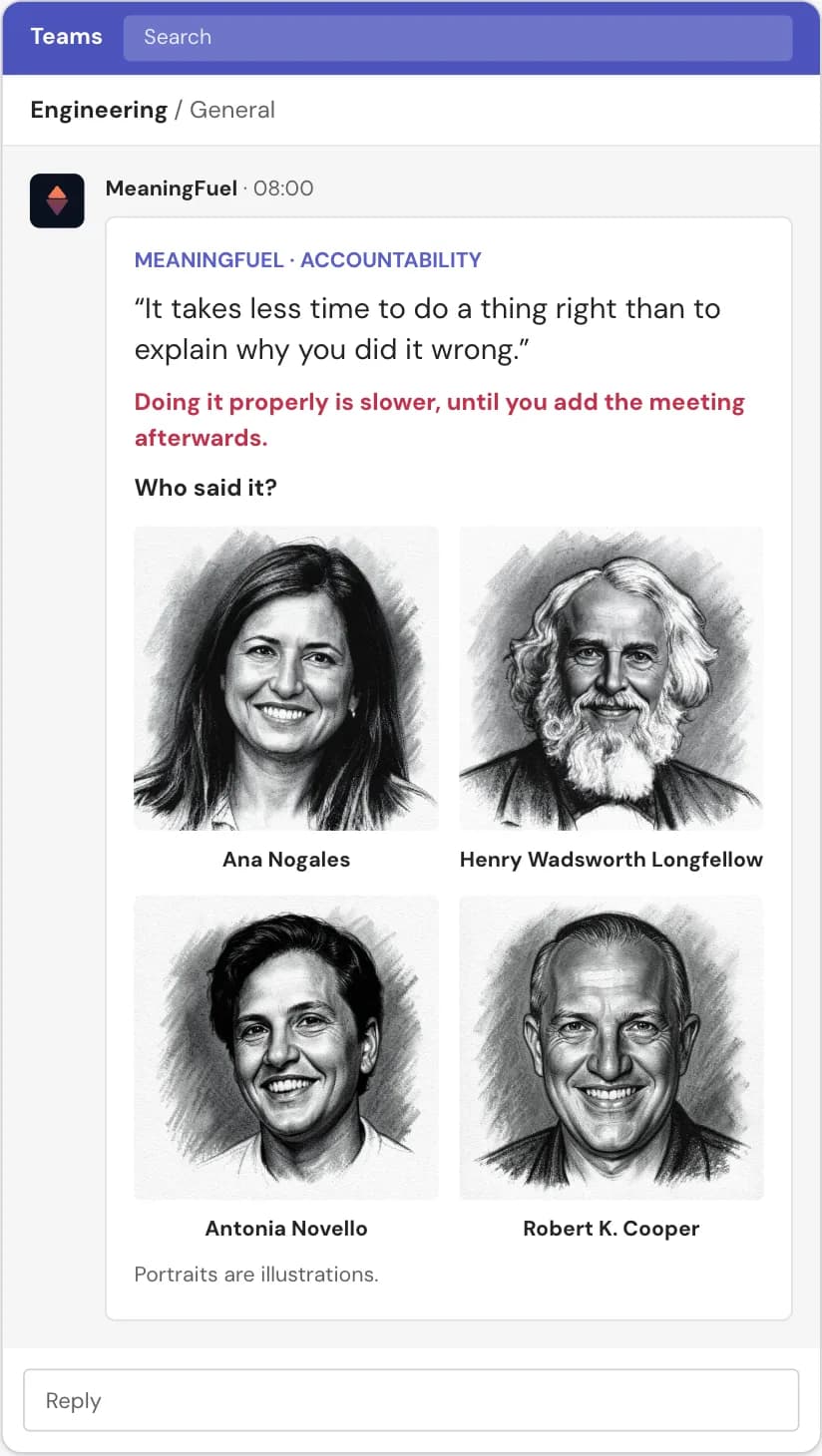
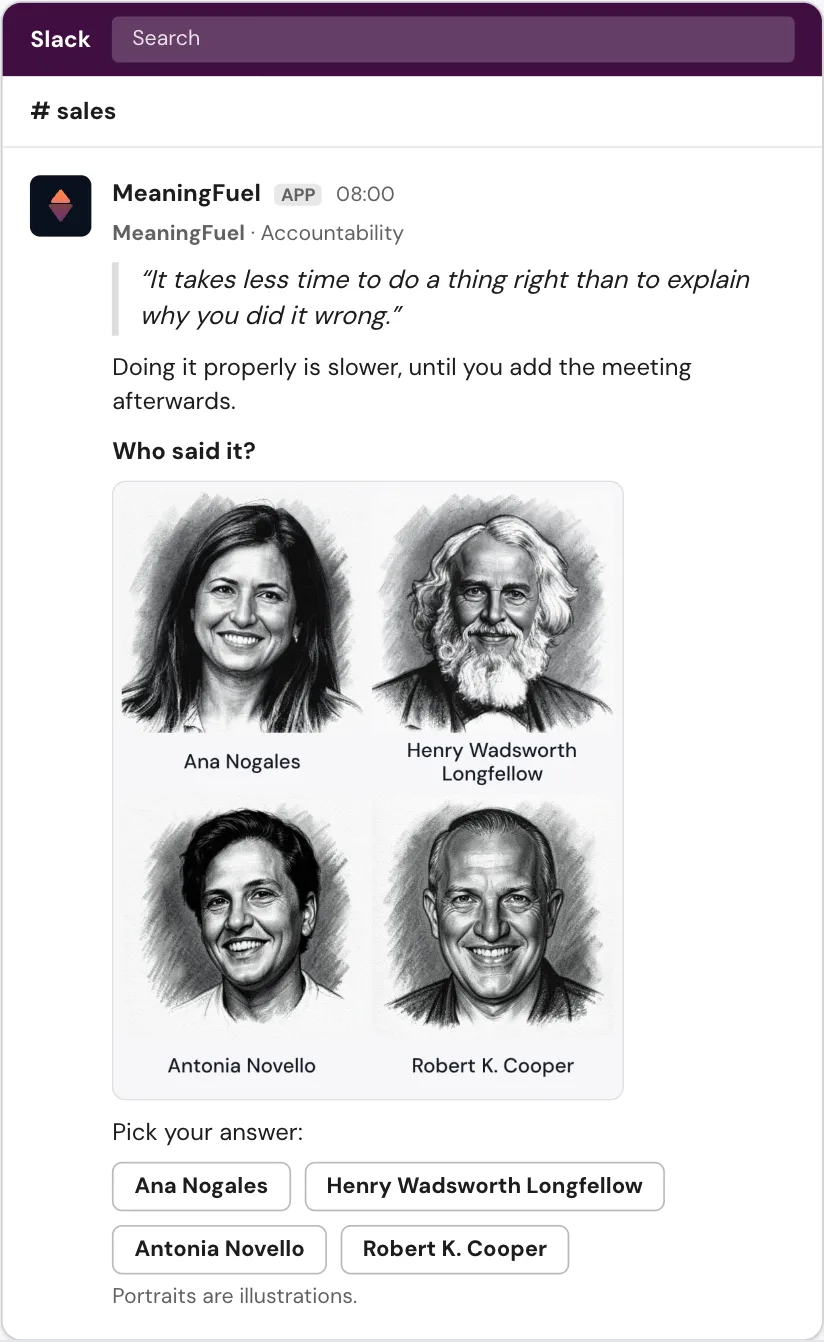
- Well-Being and Resilience every working morning, for everybody on the same two-minute question. HSE's first step is to reach out and start the conversation about pressure; a daily habit means that conversation has already happened in small pieces before anybody has to open it formally.
- After it has
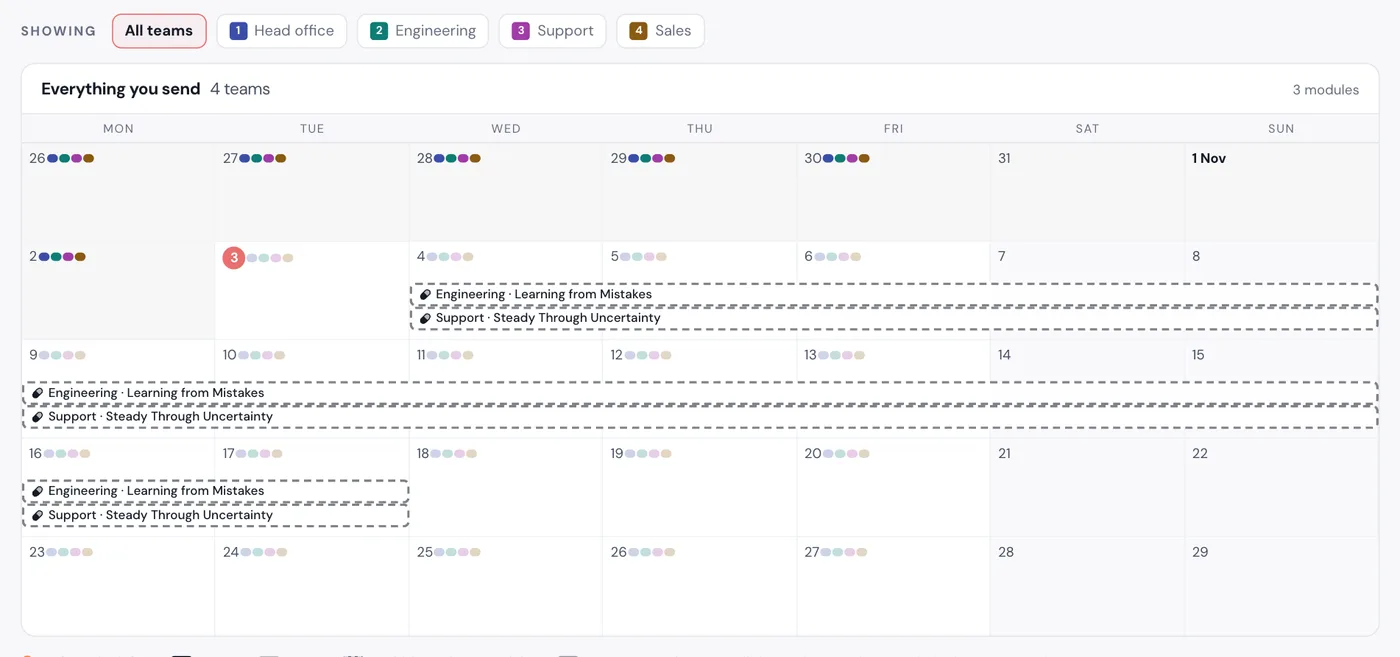
- Book Energy That Lasts for the team where the load has outrun the people: ten short daily lessons over two working weeks, one of them aimed at the load itself rather than the person carrying it, with two ten-minute debriefs its lead runs from a written guide. Each person chooses whether to take part, and the lead never sees what anybody writes.
- What management sees
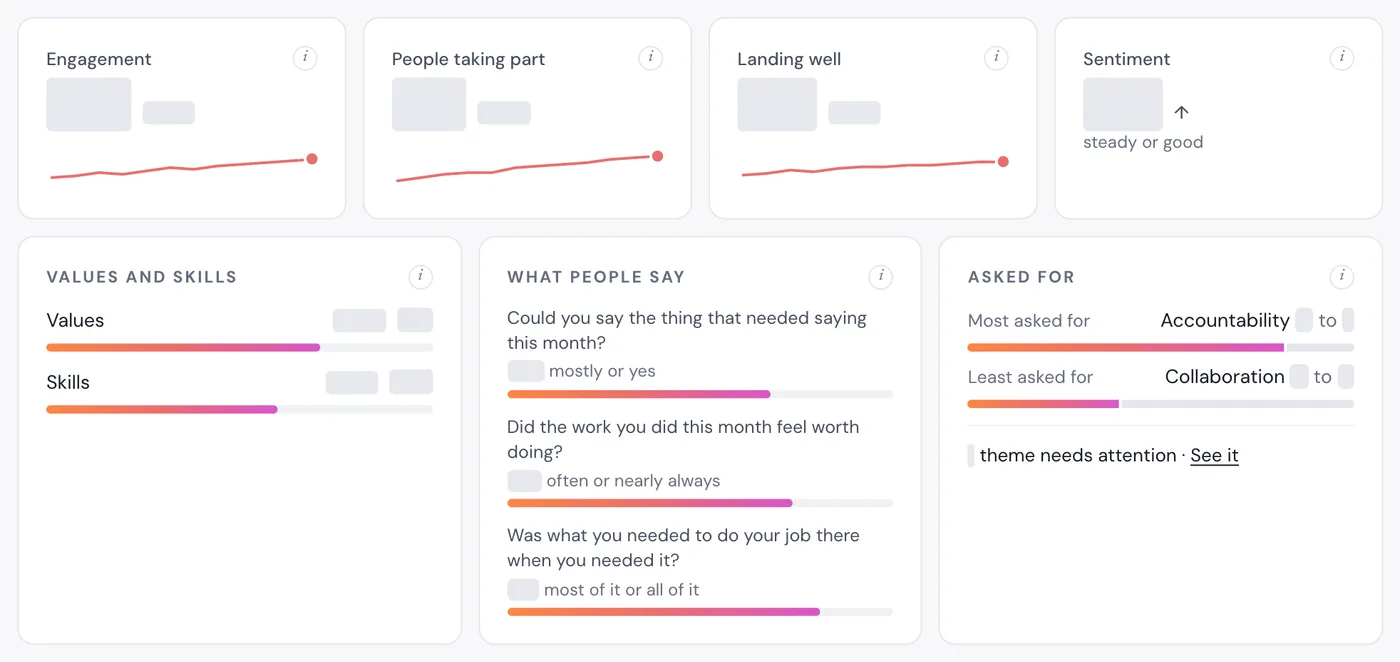
- Engagement by team and by theme, so the team where fewer people answer each week shows before absence does. What anybody chose waits until enough have answered to hide each choice, and no screen shows an individual's. It is a reading of engagement, not a diagnosis: the judgement about causes and actions stays the employer's.
Reported by Health and Safety Executive (opens in a new tab)